
Loading...
Serving Deer Park, TX and surrounding areas. (346) 954-2557
Supreme Deer Park Concrete is a concrete contractor serving Houston, TX, handling foundation installation, slab building, driveway construction, and flatwork repairs across the city. We work throughout Houston neighborhoods and understand how the city's expansive clay soils, bayou drainage network, and mix of inner-loop and outer-ring properties each create different demands - we reply within one business day.
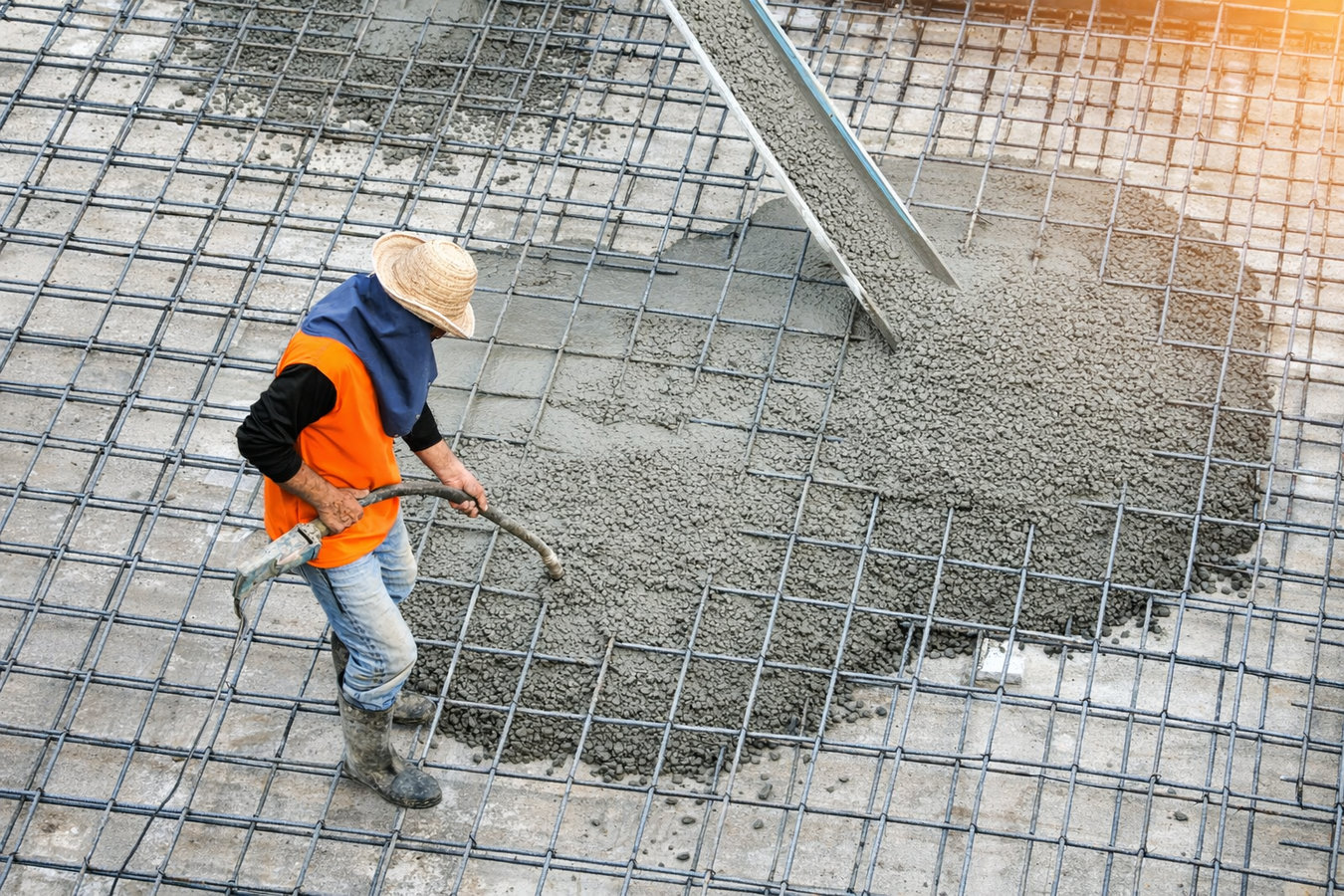
Houston is one of the most foundation-intensive markets in the country because nearly every home and structure in the city sits on a concrete slab rather than a basement or crawl space. The combination of expansive clay soil, high water table in many neighborhoods, and repeated flooding events means getting the subgrade, base depth, and drainage right at installation time is the most important factor in how long a slab holds. See our foundation installation service.
Houston's housing stock spans from 1920s bungalows in the Heights to 2010s brick-veneer homes in far-west subdivisions, and the driveways on older properties have typically been through 30 to 50 years of clay soil movement, UV exposure, and Gulf Coast rainfall. Inner-loop driveways often run narrower and need different form layouts than outer-ring suburban slabs - we work in both environments regularly.
New construction, additions, and accessory structures across Houston all require concrete slabs built for the local soil conditions. The city's famously no-zoning land use pattern means we work on slabs for residential additions, small commercial pads, and mixed-use structures within the same neighborhood. Each type has different loading requirements and drainage considerations that must be planned before the pour.
Houston homeowners who entertain outdoors need patios built to handle the heat and humidity without cracking or lifting. Properties near Buffalo Bayou and the city's extensive greenway system often have yard grades that require extra care when setting drainage slopes on a back patio. A flat patio on Houston clay that holds water after a storm will work moisture into the base and accelerate soil movement under the slab.
Footings for fences, pergolas, additions, and outbuildings in Houston need to be set deep enough to account for the clay soil that shrinks away from structures during dry spells. Properties that took on flood water during major storm events may have soil that compacted unevenly as it dried, which affects how footings need to be positioned and how deep to go to reach stable ground.
Houston's sidewalk network varies dramatically by neighborhood. Inner-loop areas have continuous sidewalks along residential streets that have been lifted and cracked by tree roots and clay soil movement over decades. Many outer neighborhoods use drainage ditches instead of curb-and-gutter, and sidewalk work in those areas needs to account for grade changes that would not exist in a curbed neighborhood.
Houston is one of the most demanding environments in the country for concrete work. The city sits on heavy, expansive clay soils - sometimes called Houston Black Clay or Beaumont Clay - that swell when wet and shrink during dry periods. This cycle runs throughout the year because Houston alternates between long, hot, dry summers and seasons of heavy rainfall, tropical moisture, and occasional major flooding. Every driveway, patio, sidewalk, and slab in the city is dealing with that soil movement from below. The contractors who do this work well in Houston are the ones who have poured enough slabs here to understand how the base preparation must change based on the specific part of the city - whether you are near a bayou, in an older inner-loop neighborhood, or in a newer outer subdivision.
Houston is also the largest U.S. city without traditional zoning laws, which means residential, commercial, and industrial properties can sit side by side across the city. That mix creates a wider range of property types and loading requirements than most markets. A contractor who only works suburban Houston driveways is not necessarily prepared for a commercial slab pad in a mixed-use corridor or a foundation addition behind a historic bungalow in Montrose. The city also has extensive FEMA flood-mapped areas, and concrete work in or near those zones needs extra planning for drainage and base depth to account for the possibility of soil saturation after a major storm.
Our crew works throughout the Houston area regularly, and the range of property types we encounter here is wider than in any other market we serve. On the southeast side, the properties near the Ship Channel and the Pasadena corridor often sit on the same flat, low-lying clay that characterizes the whole coastal plain - but with the added complication of industrial vibration nearby that accelerates surface wear. Inner-loop neighborhoods like the Heights and Montrose have narrow lots, older slab edges that have been modified over decades, and tree roots that have worked into flatwork for 50 or 60 years. Outer-ring subdivisions in the far west, southwest, and northwest were built fast during the growth years of the 1990s and 2000s, and many of those driveways and patios are now at the age where the clay soil movement has accumulated into real damage. The City of Houston handles permits for concrete work through the Houston Permitting Center, and we work with that process regularly.
The main routes we use to reach Houston jobs from our Deer Park base are I-10 heading west toward downtown and the Heights, Beltway 8 for the outer ring, and I-45 south toward the Medical Center and NRG Stadium area. Houston covers an enormous geographic footprint - over 670 square miles - and we serve the eastern and southeastern parts of the city most frequently. We also cover Pearland to the south and Pasadena to the east, where the clay soil and drainage conditions are the same as in the Houston neighborhoods closest to us.
Reach out by phone or through our contact form and describe the project - location, scope, and any timeline concerns. We reply within one business day and will schedule an on-site visit at a time that works for you.
We visit the property, measure the area, assess the soil and drainage conditions, and review what base preparation the project will need given Houston's clay. You receive a written quote that covers demo, prep, pour, and any permitting - no surprise line items added later.
For projects that require a City of Houston permit, we pull it before any work starts and schedule the inspection at the appropriate stage. Foundation and slab permits add a few days to the timeline but protect your project at resale and ensure the work meets local standards.
We complete the work, clean up the site, and walk you through what to expect during the cure period - including when you can load the slab and any care steps for the first 30 days. Any required final inspection is handled by us before we close the job.
We serve Houston and the surrounding east Harris County area. Call or send a message and we will get back to you within one business day - no high-pressure sales, just a straight conversation about your project.
(346) 954-2557Houston is the fourth-largest city in the United States and by far the largest in Texas, with a city proper covering over 670 square miles in Harris County and parts of neighboring counties. The city has no traditional zoning laws, which makes it one of the most varied urban environments in the country - residential neighborhoods, commercial strips, and industrial facilities can sit within blocks of each other in many parts of the city. The inner-loop neighborhoods, those inside Loop 610, include places like the Heights, Montrose, the Third Ward, and Midtown, and contain a significant share of Houston's older housing stock - homes built from the 1920s through the 1960s on narrow lots with aging concrete flatwork. Houston also includes major employment hubs including the Texas Medical Center on the south side and the Energy Corridor on the west.
Houston's outer neighborhoods and newer master-planned communities were built out heavily in the 1990s and 2000s, creating large residential areas south of Beltway 8, west along I-10, and north along I-45 and I-69. These areas have a different housing character than the inner loop - larger lots, attached two- or three-car garages, and driveways that are now entering their second or third decade of clay soil stress. Buffalo Bayou runs through the heart of the city, and the broader bayou network drains into the Houston Ship Channel to the east. Our coverage extends to the eastern parts of Houston that border communities like Galena Park and Channelview, where the same Ship Channel influence on soil and property conditions applies.
Get a durable, professionally poured concrete driveway built to last.
Learn MoreAdd style and texture with beautifully stamped concrete finishes.
Learn MoreSafe, level concrete sidewalks installed for homes and businesses.
Learn MoreProfessional concrete floor installation for residential and commercial spaces.
Learn MoreBeautiful, slip-resistant concrete pool decks for safer outdoor enjoyment.
Learn MoreWell-crafted concrete steps that improve safety and appearance.
Learn MoreReliable slab foundations poured to support lasting structural integrity.
Learn MoreDurable concrete parking lots designed for high traffic and longevity.
Learn MoreClean, accurate concrete cutting for repairs, expansion, and modifications.
Learn MoreWe serve Houston and the surrounding area - call today and we will schedule your on-site assessment within one business day.