Loading...
Serving Deer Park, TX and surrounding areas. (346) 954-2557
Leaning posts, cracked additions, and shifting porches all start at the same place - a footing that was not built for this soil. We install structural concrete footings in Deer Park that handle the clay, pass inspection, and give your project a base that stays put.
Leaning posts, cracked additions, and shifting porches all start at the same place - a footing that was not built for this soil. We install structural concrete footings in Deer Park that handle the clay, pass inspection, and give your project a base that stays put.
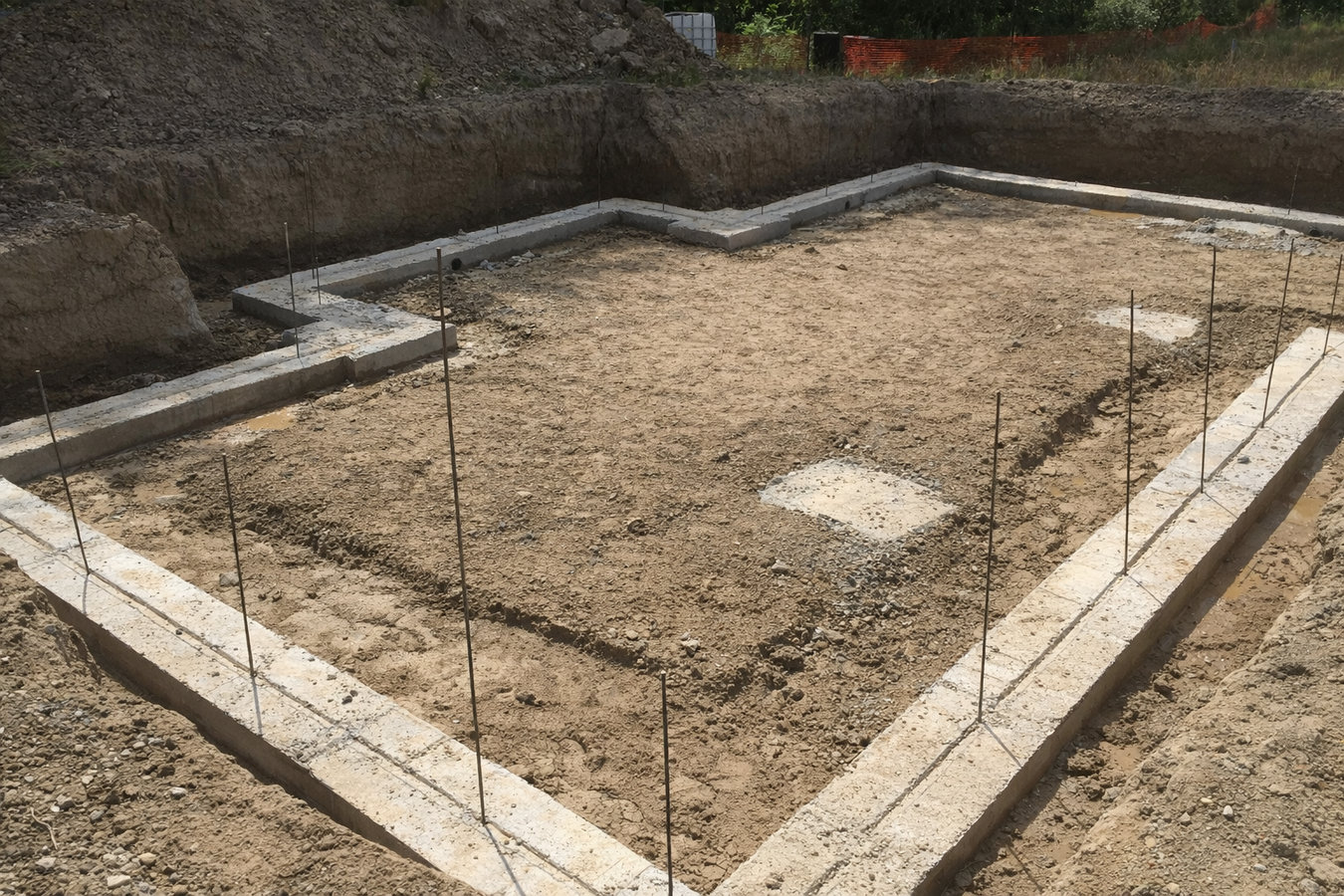
Concrete footings in Deer Park involve digging to the required depth, placing steel reinforcing bars inside the trench or form, and pouring concrete that is then inspected and left to cure - most residential footing projects complete the dig and pour in one to two days, with curing taking about a week before any construction can begin on top.
A footing is the hidden base that transfers the weight of a structure down into the soil. When that base is undersized for the local clay soil - or skips the permit and inspection process - the structure above it will eventually show the consequences, from diagonal cracks at window corners to posts that lean further each year. We work on footings for home additions, porches, carports, fences, decks, and detached structures across Deer Park and the surrounding area.
If your project involves a larger foundation, take a look at our foundation installation service - we handle both individual footings and full foundation work, and we can tell you which scope fits your project after a site visit.
Any new room, covered patio, sunroom, carport, or detached garage needs its own footing before framing begins. Building on top of bare soil without a proper footing is one of the most common causes of structural problems in home additions in this area. Footings are the first conversation to have before anything else is planned.
Leaning fence posts in Deer Park are almost always a footing failure. The original footings were likely too shallow, or the clay soil has moved enough to push them over time. Resetting a post in the same hole without correcting the depth and diameter just repeats the problem - often within a season or two.
Diagonal cracks running from the corners of door and window frames are a classic sign that something below is moving. In Deer Park, that movement often traces back to footings that were undersized or placed in soil that has since shifted through repeated wet-dry cycles.
When a deck or porch post has visibly dropped or tilted, the footing beneath it has likely failed - either it was too shallow, too small, or the surrounding soil moved. This is a common problem across the Houston area because of the expansive clay soil, and the correct fix is replacing the footing at the right depth with the right steel.
We handle the full footing process - site assessment, permit coordination, excavation, steel placement, pour, and curing guidance. For every structural footing project in Deer Park, we factor the local clay soil into our sizing and depth recommendations from the start, not as an afterthought. If your project requires foundation installation rather than individual footings, we can assess that during the site visit and quote the appropriate scope.
We also handle footing repair and replacement when existing footings have failed - replacing fence post footings, correcting undersized addition footings, and installing new footings for structures that were originally built without them. Our written quotes specify the footing dimensions, the steel reinforcement plan, and whether permit and inspection fees are included, so you can compare bids honestly.
For additions, covered porches, carports, detached garages, and any new structure that needs a permitted structural base.
For fence lines, deck posts, pergola columns, and freestanding structures where the existing footing has failed or was never adequate.
Right for existing footings that have shifted, settled, or cracked due to clay soil movement or inadequate original sizing.
For additions and structures that need a full perimeter base - sized and reinforced for the loads they will carry in Deer Park soil.
Deer Park sits on some of the most expansive clay soil in the country. That soil swells when it absorbs moisture and shrinks when it dries out - a cycle that happens repeatedly across a Texas year. Footings that are not sized to account for this movement will shift, and whatever is built on top will crack or lean. This is the single most important local factor for any footing project here, and it is why footing depth and diameter in Deer Park cannot be treated as a standard number applied to every job. A good local contractor assesses your site and sizes the footing to your specific soil and load conditions.
Deer Park also requires permits and pre-pour inspections for most structural footing work. That inspection - a third party verifying the trench, depth, and steel before the concrete is poured - is actually a benefit to you. It means the work is confirmed correct before it is buried permanently. We serve homeowners in Channelview and Galena Park where the same clay soil conditions apply, and we bring that regional experience to every footing project we take on. For technical standards on reinforced concrete design, the American Concrete Institute publishes the building code requirements (ACI 318) that govern how structural concrete is designed and placed.
We visit your property, look at the soil, assess drainage, measure the area, and confirm what load the footing must carry. You get a written estimate that specifies depth, width, steel, and whether the permit fee is included. We reply within one business day of your first inquiry.
We pull the required permit from the City of Deer Park before any digging begins - this is a standard part of the job, not an extra step. Once the trench is open and the steel is placed, we coordinate the city inspection. Nothing gets poured until the inspector signs off.
The crew digs to the specified depth and width, then cuts and places steel reinforcing bars inside the trench according to the design. In Deer Park summer heat, pours are scheduled for early morning to keep the concrete workable. This is the stage the inspector will review before the pour.
Once inspection is passed, we pour and finish the concrete. We then protect it from drying out too fast in the Texas heat - a critical step for full strength development. Your contractor gives you a clear timeline for when framing or post setting can begin on top of the cured footing.
Free on-site estimate. We assess soil conditions and confirm permit requirements before quoting - no guesswork, no surprises.
(346) 954-2557We assess your specific site before recommending footing dimensions - not just applying a standard depth to every project. In Deer Park's expansive clay, that site-specific sizing is what separates a footing that holds from one that shifts within a few seasons.
We pull the required City of Deer Park permit and coordinate the pre-pour inspection as a standard part of every structural footing job. You do not have to manage that process - and you get a city record confirming the work was checked before it was buried.
Our quotes specify footing depth, width, steel size and spacing, and whether permit fees are included. That level of detail protects you from mid-job surprises and lets you compare competing bids on equal terms - not just by bottom-line price.
Pouring concrete in Deer Park summer heat without proper technique produces weaker concrete. We schedule pours for early morning, manage the mix for hot conditions, and protect the fresh concrete during curing so it reaches full design strength - not just surface hardness.
Getting footings right the first time is always cheaper than correcting a settling structure later. That is why we put the site assessment and detailed scope upfront - so you know exactly what you are getting and why, before anyone picks up a shovel. You can also verify Texas contractor licensing at tdlr.texas.gov before hiring any contractor for structural work.
When an existing foundation has settled or shifted, foundation raising corrects the level and stabilizes the structure before new footing work begins.
Learn MoreFull foundation pours for new construction or major additions that need more than individual footings - a complete, engineered base for the structure.
Learn MoreClay soil does not wait - the longer an undersized footing carries a load, the more it moves. Call today and we will assess your site and give you a straight answer.