Loading...
Serving Deer Park, TX and surrounding areas. (346) 954-2557
Building on Deer Park clay without the right slab design is a gamble that shows up in cracks and shifting floors within a few years. We pour reinforced concrete foundations engineered for this soil, with proper drainage and permits handled start to finish.
Building on Deer Park clay without the right slab design is a gamble that shows up in cracks and shifting floors within a few years. We pour reinforced concrete foundations engineered for this soil, with proper drainage and permits handled start to finish.
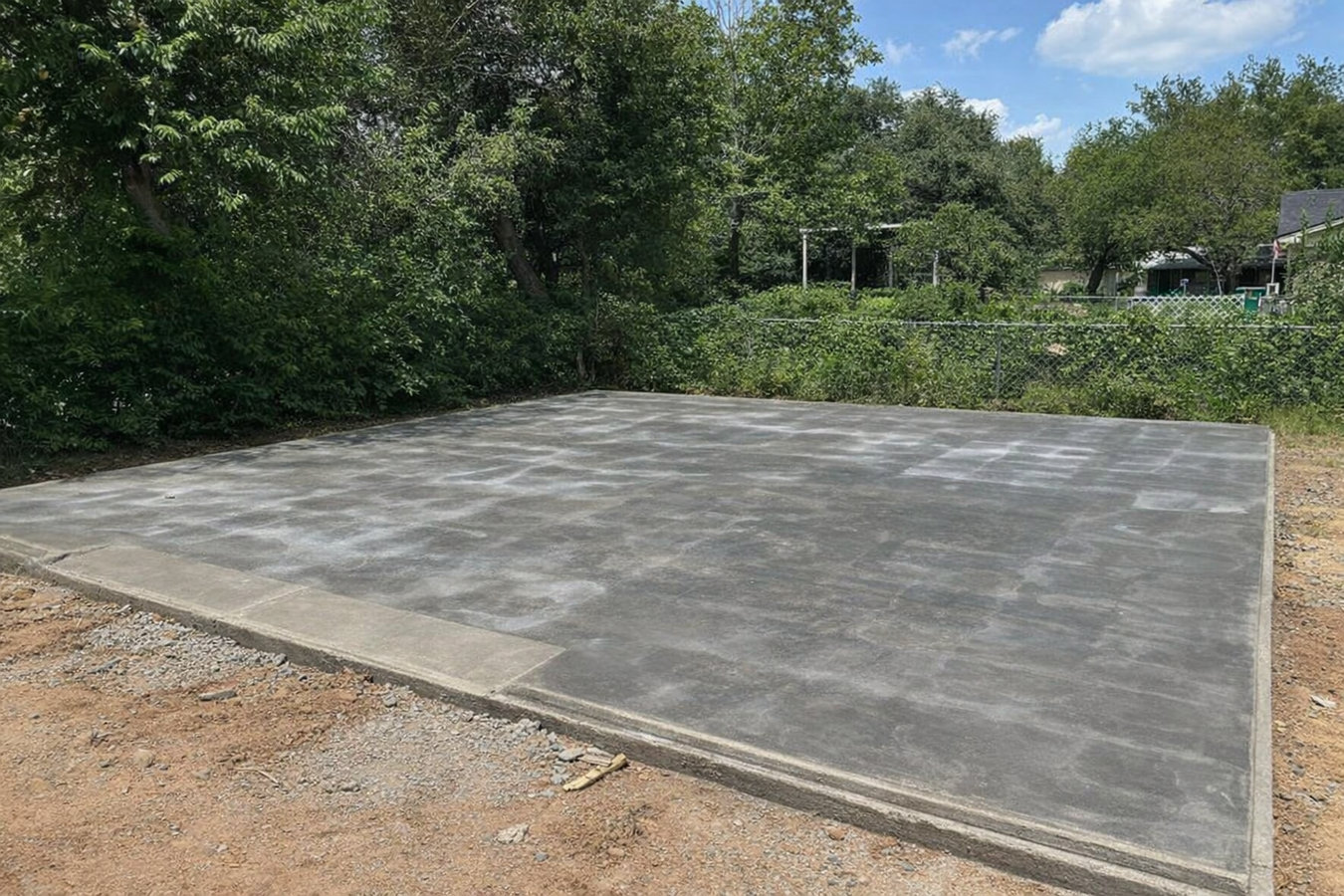
Slab foundation building in Deer Park means grading and compacting the soil, laying a moisture barrier and gravel drainage layer, setting steel reinforcement inside formed edges, and pouring concrete in a single continuous operation - most residential slabs take one to two days to pour, with full curing taking up to 28 days before framing begins.
In this part of Southeast Texas, the concrete slab is nearly universal for new homes and additions because it sits directly on the ground, eliminates crawl space maintenance, and - when designed correctly for local soils - lasts the life of the structure. The biggest variable in Deer Park is the expansive clay underneath, which responds to every wet and dry season by swelling and shrinking. Getting the subgrade preparation and reinforcement right from the start is what separates a slab that holds for decades from one that needs repair in the first few years. For projects that also involve concrete foundation installation services like footings or a full build, we can scope both in the same estimate.
If your project also requires concrete footings for beam pockets, pier pads, or perimeter thickenings, those are part of the same scope of work and we handle them together.
If you have land in Deer Park and are ready to build, a concrete slab is almost certainly the foundation type your builder will recommend. It is the standard choice for new residential construction across the Gulf Coast, and local contractors, inspectors, and framers are all experienced with it.
Any permanent addition - a garage, workshop, or backyard structure - needs a proper foundation before framing begins. Getting the slab right from the start means the structure above stays level and solid. Skipping or cutting corners on the base creates problems that become visible, and expensive, later.
Older homes in Deer Park sometimes have pier-and-beam foundations that have settled unevenly or deteriorated over time. If your floors are noticeably unlevel, doors stick, or gaps have opened between walls and floors, replacing with a new slab may be the right long-term solution.
In the expansive clay soils of the Houston-Deer Park area, a geotechnical soil report often recommends a post-tensioned slab specifically. If your builder or engineer has pointed you in this direction, that recommendation is based on the actual ground conditions under your lot and is worth following.
We build residential and light commercial slabs for new homes, room additions, detached garages, workshops, and accessory structures. Every project starts with site assessment - grading, drainage evaluation, and soil conditions - before any forms go in. When a full home foundation is involved, we coordinate the engineering review and permit process as part of the job. For smaller structures like garages or covered patios, we size the slab appropriately and include proper vapor barriers and drainage grading. We also build the complete scope when a project calls for foundation installation that includes footings, beam pockets, and perimeter thickenings alongside the main pour.
When the project also requires concrete footings for structural posts or pier pads, those are included in the same scope. We handle post-tensioned slabs - which use high-strength cables stressed after the concrete cures - when the engineering plan calls for them, which is common in this region due to the active clay soils.
For homeowners building a primary residence on a lot in Deer Park or the surrounding area.
Right for detached or attached garages, backyard workshops, and any enclosed structure needing a permanent floor.
Suits any addition that requires a new concrete base tied into or adjacent to the existing home footprint.
Specified when a structural engineer recommends it for active clay soils - includes cable tensioning after the pour.
For properties where the existing foundation has failed beyond repair and a full-depth replacement is the most practical fix.
Deer Park sits on the Gulf Coastal Plain, where the underlying soil is some of the most expansive clay in the country. That clay swells when it absorbs moisture during the wet seasons and shrinks when it dries out in summer - a cycle that repeats every year and puts constant stress on any concrete structure sitting on top of it. A contractor who designs and builds a slab without accounting for this is setting up a problem that will show itself within a few years. Deer Park summers also bring intense heat that can cause concrete to cure too quickly on the surface if pours are not timed and managed correctly. Experienced local crews schedule summer pours for early morning and keep the slab moist during curing. Flat coastal terrain means drainage grading is not a detail - it is essential. Water that pools against a slab edge after a heavy Gulf Coast rain accelerates the same soil movement that causes long-term foundation problems.
We build slab foundations across the Houston Ship Channel corridor and the surrounding communities. Homeowners in Pasadena and Baytown face the same soil and drainage conditions as Deer Park, and we apply the same subgrade preparation and drainage grading standards to every project in the region. For guidance on concrete construction standards, the American Concrete Institute publishes the technical guidelines that engineers and contractors follow for slab design and mix selection.
We visit your lot to assess drainage, soil conditions, and the project scope. You receive a written estimate that covers site prep, materials, labor, and the permit fee - no pressure, no obligation.
We pull the building permit before any ground is broken. For post-tensioned slabs, a structural engineer's design is part of the permit application. This phase typically takes a few days to two weeks depending on the local review schedule. We reply to estimate requests within one business day.
The crew grades the lot, compacts the subgrade, and lays the gravel drainage layer and moisture barrier. Steel reinforcement or post-tensioning cables are placed inside the forms. The city inspector visits to verify reinforcement before any concrete is ordered.
The concrete truck arrives and the pour is completed in a single operation. The slab is kept moist during curing. Once the slab passes final inspection and reaches working strength, framing can begin - we walk you through the timeline before we leave.
Free estimates, permits handled, and a crew that knows Gulf Coast clay soil.
(346) 954-2557Every slab we build accounts for the shrink-swell cycle of Deer Park's clay soils. We use the reinforcement design - rebar or post-tensioning - that the site conditions actually call for, not a one-size template copied from a drier climate.
We handle the building permit and coordinate the pre-pour city inspection as a standard part of the job. You get a documented record that the foundation was built to local code - which matters when you sell or refinance. A permit also means an independent inspector verified the reinforcement before it was buried in concrete.
When a structural engineer's plan calls for a post-tensioned slab - common in the Houston-Deer Park area - we have the equipment and trained crew to stress the cables correctly after curing. Not every concrete contractor in the area handles post-tensioned work. The Post-Tensioning Institute sets the technical standards for this type of work.
Deer Park's flat coastal terrain means drainage is not an afterthought - it is engineered into the grading around the slab from day one. Water that cannot pool against your foundation edge is water that cannot accelerate soil movement or long-term slab damage.
Every one of these details - soil-appropriate design, documented permits, post-tensioning capability, and drainage grading - adds up to a foundation that does not need attention after it is poured. That is exactly what you want when the entire structure above it depends on what is underneath.
Complete foundation installation including excavation, forming, steel layout, and pour for new residential and commercial builds.
Learn MoreIndividual concrete footings for structural posts, beam pockets, pier pads, and perimeter thickenings.
Learn MoreGulf Coast clay needs a foundation built for it - call us now or request a free estimate and we will get your site assessed and your permit timeline set.