Loading...
Serving Deer Park, TX and surrounding areas. (346) 954-2557
A foundation installed without accounting for Deer Park clay soil is a problem waiting to appear. We handle the full process - site prep, permits, reinforced concrete pour - so the slab is done right before a single stud goes up.
A foundation installed without accounting for Deer Park clay soil is a problem waiting to appear. We handle the full process - site prep, permits, reinforced concrete pour - so the slab is done right before a single stud goes up.
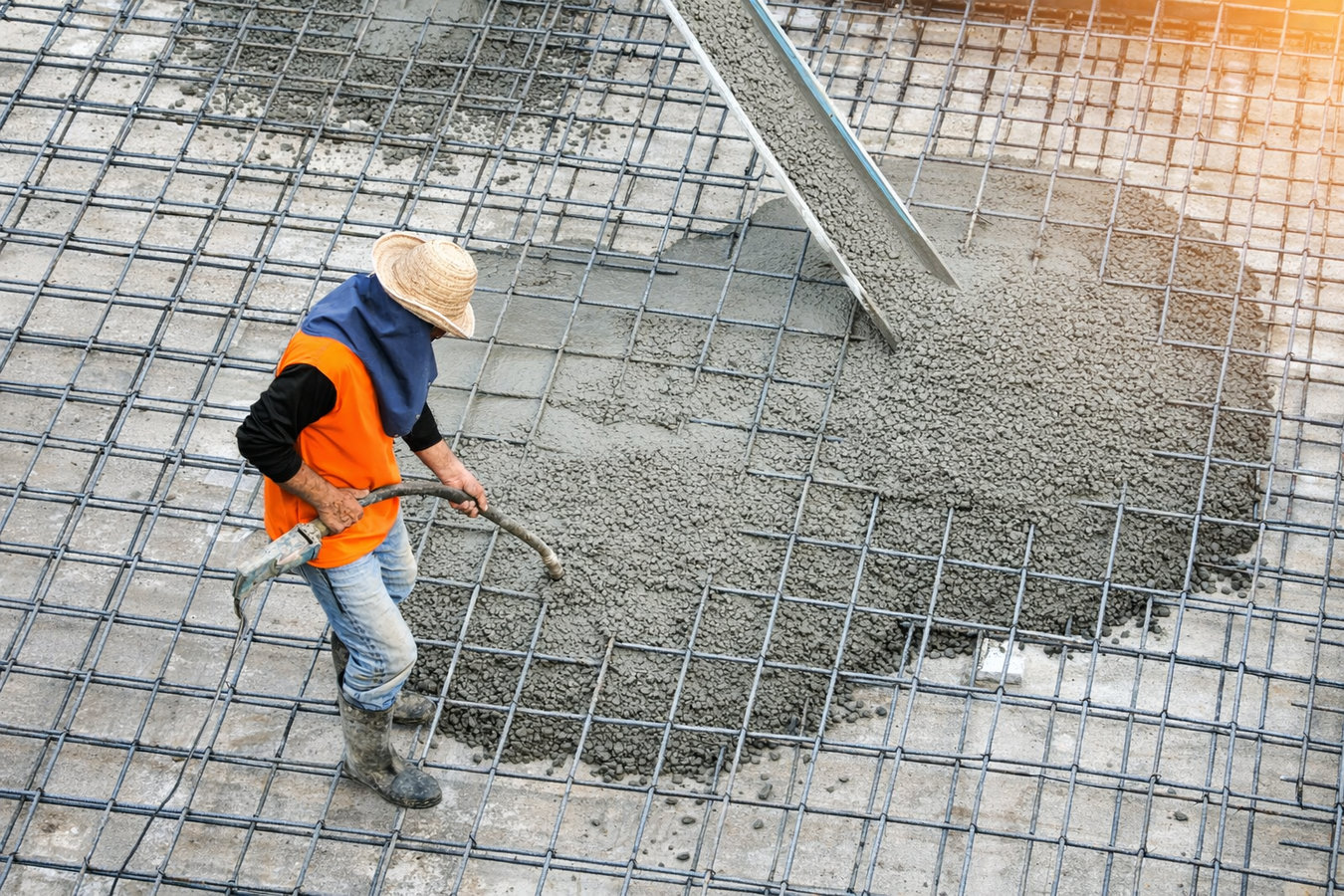
Foundation installation in Deer Park means clearing and grading the site, excavating to the required depth, compacting the subgrade, placing steel reinforcement inside formed edges, and pouring concrete in a single continuous operation - a typical residential slab is poured in one day, with full curing and permit inspections adding roughly two to six weeks to the total timeline.
In this part of Southeast Texas, nearly every home and addition sits on a concrete slab poured directly on the ground - there are no basements, and crawl spaces are rare. The entire load of the structure above, and the stability of every room in it, rests on what happens below grade before the concrete goes in. The expansive clay soil under Deer Park is what makes local knowledge essential here - a contractor who treats this like a generic pour is not accounting for the ground actually under your lot. When the project is a new home or larger structure, we also coordinate the slab foundation building phase alongside the full installation scope.
For projects where individual concrete elements like beam supports or perimeter thickenings are part of the structural plan, those are in the same scope as the main pour and covered in our estimates.
The most straightforward reason to have a foundation installed is that you are starting from the ground up. Whether it is a new primary residence, a garage, or a room addition, the project cannot begin until a proper concrete base is in place. Framing on an unprepared or undersized foundation leads to problems that compound over time.
When a slab moves significantly on Deer Park's clay soils, the frame of the house moves with it. Doors that suddenly stick, windows that will not latch, or gaps appearing between walls and ceilings are signs the foundation has shifted enough to affect the structure above it. The sooner these symptoms are evaluated, the more options you have.
Small hairline cracks are common and often cosmetic. But wide cracks - especially diagonal ones running from corners of windows or doors - or cracks that are growing over time suggest the foundation is moving in ways that need professional attention. On Houston-area clay soils, these often appear after a prolonged dry summer followed by heavy fall rains.
If water is consistently entering your home at floor level after heavy rain, the foundation's relationship with the surrounding grade may have changed. This can signal that the slab has shifted or that drainage around it has failed in a way that requires more than patching.
We handle complete residential and light commercial foundation installations from first site visit to a cured, inspection-passed slab. That includes pulling the building permit, coordinating the pre-pour inspection, handling the drainage grading, placing steel reinforcement according to the engineered plan, and completing the pour in a single operation. We also work with projects that combine installation with slab foundation building for additions or outbuildings that tie into or sit adjacent to the main structure.
When the structural plan includes a concrete parking lot or commercial apron adjacent to the foundation, we can include that in the same scope - our concrete parking lot building service covers those connected flatwork areas so the whole project is managed together. For post-tensioned slabs - increasingly common in this region due to clay soil conditions - we have the crew and equipment to complete cable tensioning after the concrete reaches working strength.
For homeowners building a new home on a lot in Deer Park or the surrounding Gulf Coast area.
Suits room additions, detached garages, and accessory structures needing a new concrete base.
Right for light commercial builds, retail pads, and office structures requiring a permitted, inspected foundation.
Specified by engineers for active clay soils - includes all cable work and tensioning after the pour cures.
For properties where the existing slab has failed beyond repair and a full-depth replacement is the most practical path forward.
Deer Park sits on the Gulf Coastal Plain, where the underlying soil is heavily clay-based and reacts strongly to moisture changes. That clay expands significantly when it absorbs water during the wet spring and fall seasons, then contracts when it dries out in summer. The repeated movement is why foundations in this part of Texas shift in ways that surprise homeowners who moved here from drier regions. Getting the site grade right is equally important - Deer Park's flat coastal terrain means water does not drain away quickly on its own. After the heavy rains common in the Houston metro, water can sit against a foundation edge for extended periods if the grade was not set correctly during installation. That pooling accelerates the same soil movement that causes long-term foundation damage. This is not an edge case in this area - it is a routine consideration that experienced local contractors plan for on every project.
We install foundations throughout the Houston Ship Channel corridor and the surrounding communities. Homeowners in Channelview and Houston face the same soil and drainage conditions as Deer Park, and we apply the same subgrade preparation and drainage standards to every project across the region. The American Society of Concrete Contractors sets the best-practice standards for foundation concrete work that reputable contractors follow.
We visit your property to assess soil conditions, drainage, and the project footprint. You receive a written estimate covering excavation, materials, labor, permit fees, and any drainage work - with no pressure and no obligation. We reply to all estimate requests within one business day.
We pull the building permit before any digging starts. For a new home foundation, a soil report or engineer's review is typically part of the permit application - we coordinate this as part of the job. Permitting usually takes one to three weeks depending on the local review schedule.
The crew excavates, grades, and compacts the subgrade. Forms are set, and steel reinforcement or post-tensioning cables are placed according to the engineered plan. The city inspector visits before any concrete is poured to verify the steel and forms meet the approved plans.
Concrete trucks arrive and the pour is completed in a single operation. The slab is finished, kept moist during curing, and inspected once more before framing can begin. We walk you through the curing timeline and what to watch for in the first year on this soil.
Permits handled, clay soil accounted for, and a written estimate with no obligation.
(346) 954-2557We pull the building permit, schedule the pre-pour inspection, and ensure the foundation passes before any concrete goes in. That inspection record becomes permanent documentation that the work was done to code - which matters at resale, at refinance, and with your homeowner's insurance.
Every foundation we install is designed for the expansive clay soil under Deer Park properties - not adapted from a template meant for a different region. We select reinforcement methods and drainage grading based on what the actual site conditions call for, which is what determines whether the slab holds for decades or develops problems in the first few years.
Once concrete hardens, there is no going back. We make sure the steel layout, vapor barrier, and form dimensions are correct and inspector-approved before a single truck arrives. You can see the work is right before it is buried - and an independent city inspector confirms it.
Texas requires contractors performing structural construction work to meet state licensing standards. You can verify a contractor's status through the state's online system. Texas Department of Licensing and Regulation Ask for proof of general liability insurance and workers' compensation coverage before any work begins.
Each of these points - permits, soil-appropriate design, verified steel, and licensed work - protects the investment you make in everything built above the foundation. Get it right at this stage and the rest of the project stands on solid ground.
Concrete parking lots and commercial aprons installed alongside or adjacent to foundation work for a single coordinated project.
Learn MoreReinforced concrete slab pours for new homes, garages, and additions - including post-tensioned designs for this region's clay soils.
Learn MoreClay soil does not wait - call us now or request a free estimate and we will assess your site, pull your permit, and get your project on the schedule.